ADTE BINUS, Workshop Kreatif untuk Mahasiswa Magister
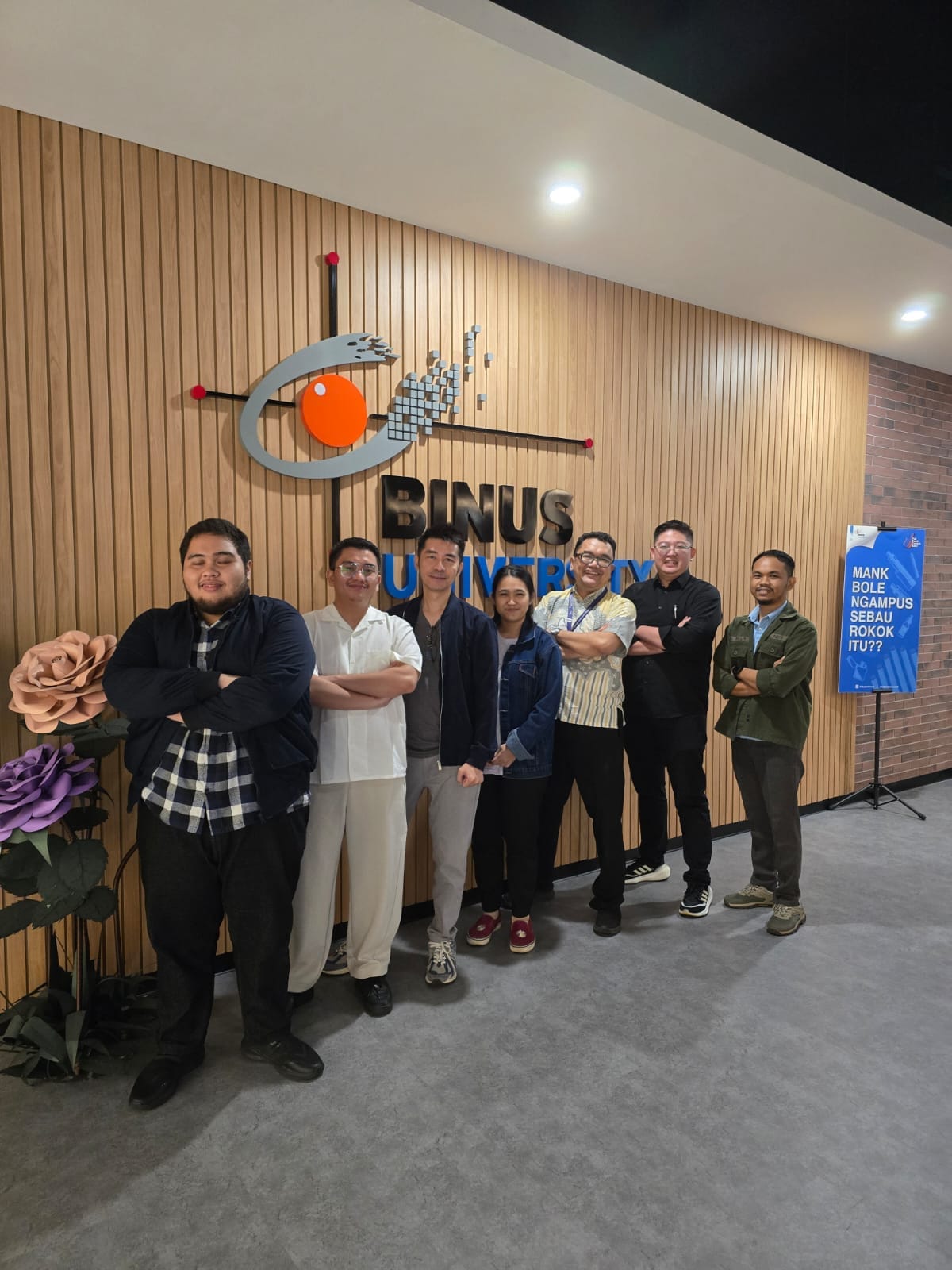
Sore itu, ruang kelas di BINUS @ Alam Sutera tidak terasa seperti ruang kuliah. Tidak ada suasana formal dengan dosen menjelaskan panjang lebar di depan. Kamu akan menemukan meja berkelompok, post-it warna-warni, dan para mahasiswa yang sibuk berdiskusi. Di sinilah mata kuliah Advanced Design Thinking and Entrepreneurship (ADTE) berlangsung.
Menurut pengampunya, Bapak Amir Fikri, kelas ini adalah tempat aman untuk bereksperimen. Mahasiswa S2 Master of Management (MM) Innovation & Entrepreneurship datang dari latar belakang yang berbeda, mulai dari karyawan korporasi, pelaku usaha kecil, sampai profesional kreatif. Tapi, begitu memasuki kelas ADTE, mereka punya satu tujuan, yaitu mencari cara baru melihat masalah dan membangun solusi nyata.
Apa yang Terjadi di Dalam Kelas?
ADTE bukanlah mata kuliah yang meminta kamu mencatat teori selama dua jam. Justru, formatnya berbasis workshop tentang design thinking. Sejak sesi awal, mahasiswa diminta berpartisipasi aktif dalam kelompok kecil untuk melakukan simulasi kasus nyata, melakukan roleplaying, brainstorming berbagai ide out of the box, dan mempresentasikan ide secara dadakan,
Bapak Amir menjelaskan, pendekatan ini dirancang agar mahasiswa tidak hanya tahu konsep, tapi juga terbiasa menerapkannya. Karena itulah, ia menyamakan metode belajar di kelas ini dengan alur kerja di startup yang serba cepat, kolaboratif, dan selalu menuntut ide kreatif.
Tujuan Belajar yang Lebih Dalam
Terkadang, mahasiswa terbiasa mencari jawaban yang benar. Di kelas ADTE, justru jawaban yang salah juga tak kalah berharga, asalkan bisa menjadi bahan eksplorasi berikutnya.
Prinsip ini sejalan dengan pendekatan design thinking dan tujuan utama mata kuliah ADTE, yaitu melatih mahasiswa agar bisa membaca perubahan pasar, menemukan peluang bisnis baru, membangun solusi inovatif, dan mengambil keputusan berdasarkan pemahaman manusia (user insight), bukan asumsi.
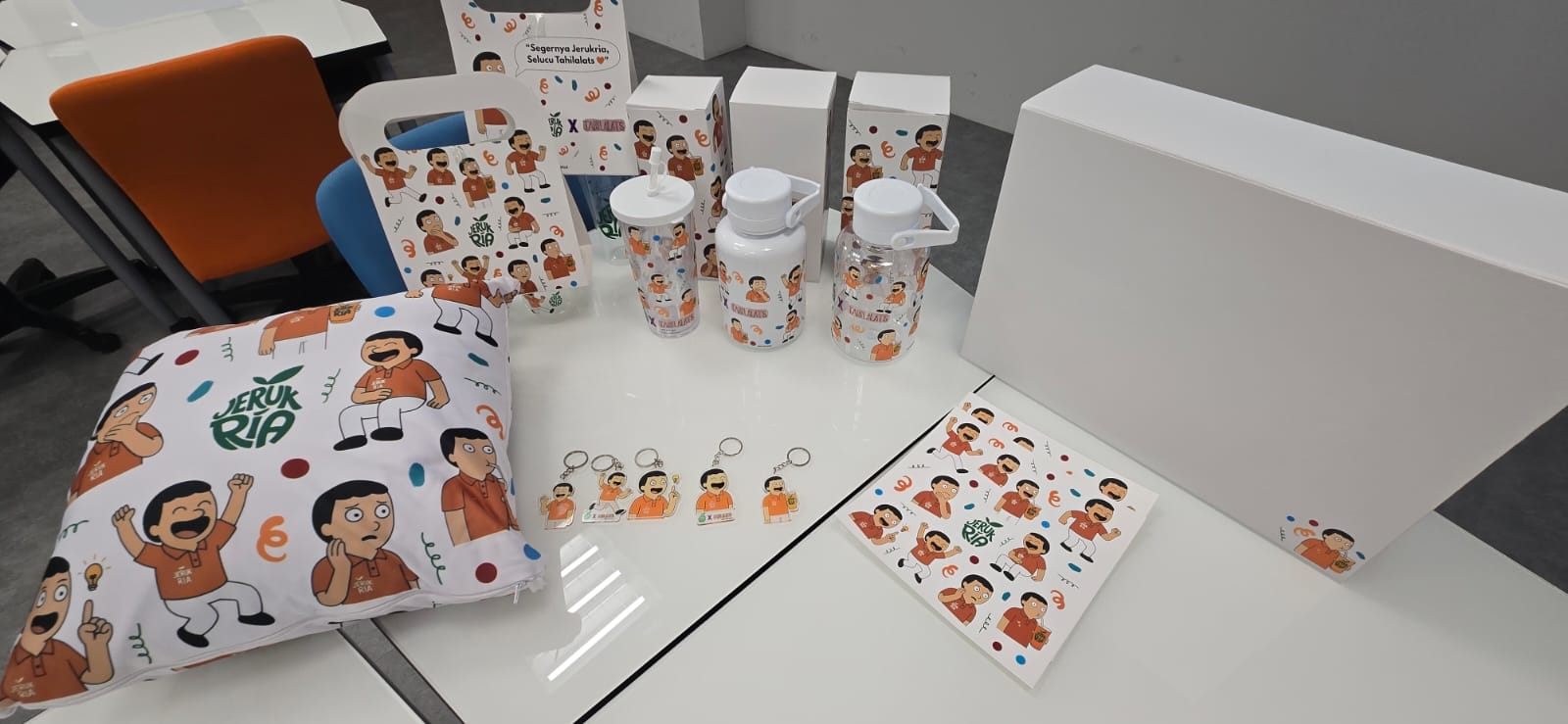
Bagian paling menantang dari ADTE mungkin adalah output-nya. Sebab, mata kuliah ini meminta bukti nyata dalam wujud ide bisnis baru, business plan dengan hitungan strategi, prototipe sederhana, konsep pemasaran kreatif, serta solusi nyata untuk isu bisnis atau sosial di akhir semester.
Ada kalanya proyek itu selesai di kelas, tapi ada juga yang berkembang bahkan setelah memasuki semester baru.
“Beberapa mahasiswa bahkan menjadikan hasil karya mereka di kelas ini landasan untuk mendirikan usaha asli mereka,” ungkap Pak Amir.
Menjadi Pembeda Program MM BINUS
Bapak Amir melihat mata kuliah ADTE sebagai keunggulan penting di program MM Innovation & Entrepreneurship. Menurutnya, tidak banyak kampus swasta lain, bahkan yang berakreditasi unggul, yang memasukkan mata kuliah kreatif semacam design thinking sebagai fondasi pembelajaran manajemen. Justru, di mata beliau, program magister manajemen lainnya lebih sering berfokus pada ilmu manajerial klasik.
Baginya, mata kuliah ADTE bisa memperkuat praktik inovasi, kepekaan entrepreneurship, kemampuan menerapkan design thinking dalam industri mana pun, dan mengasah keberanian merumuskan solusi yang belum pernah dicoba.
Di banyak sesi, mahasiswa menghabiskan lebih banyak waktu bertanya “siapa pengguna kita?” dibanding “fitur apa yang harus kita buat?” Mahasiswa berkesempatan belajar dari studi kasus, dari rekan satu tim, dan dari kegagalan kecil di kelas tentang strategi inovasi, manajemen teknologi, pengembangan produk, serta ekosistem kewirausahaan dan startup.
“Saya rasa hal ini relevan dengan kondisi bisnis yang makin tidak bisa diprediksi,” pungkasnya. “Terutama karena sudah banyak model bisnis yang berubah seiring cepatnya pergerakan industri. Apa yang dulu populer, belum tentu relevan saat ini atau ke depannya.”
Kelas design thinking dari MM Innovation & Entrepreneurship BINUS Business School menawarkan pengalaman belajar yang menyeluruh berbasis kondisi nyata di lapangan. Sebab, kamu bisa mempelajari cara menavigasi konflik dengan rekan tim jika ada perbedaan ide, memperkuat keteguhan untuk berulang kali mengubah ide, dan mengasah kepekaan terhadap lingkungan sekitar agar dapat menciptakan ide kreatif dan relevan.
Semua itu akan menjadi bekal penting ketika kamu ingin membangun bisnis, bekerja di perusahaan raksasa, atau memimpin tim. Berbekal rasa ingin tahu dan empati yang tinggi, serta kesiapan mengubah keresahan orang lain jadi peluang baru, kamu bisa sukses di bidang apa pun yang kamu jalani.
English Version :
ADTE BINUS: A Creative Workshop for Master’s Students
That afternoon, the classroom at BINUS @ Alam Sutera hardly felt like a lecture hall. There was no formal atmosphere with a lecturer speaking at length at the front. Instead, you would see clustered tables, colorful Post-it notes, and students actively engaged in discussion. That’s the day-to-day life in the Advanced Design Thinking and Entrepreneurship (ADTE) course.
According to the course lecturer, Mr. Amir Fikri, this class is designed as a safe space for experimentation. Students in the Master of Management (MM) Innovation & Entrepreneurship program come from diverse backgrounds, including corporate employees, small business owners, and creative professionals.
However, once they step into the ADTE classroom, they share a common goal: finding new ways to view problems and build tangible solutions. This approach is highly relevant for MM students and those considering pathways such as an MBA or other Master of Management programs.
What Happens Inside the Classroom?
ADTE is not a course that asks students to spend two hours taking notes on theory. Instead, it is structured as a hands-on workshop centered on design thinking. From the very first sessions, students are required to actively participate in small groups through real-world simulations, role-playing, brainstorming bold and unconventional ideas, and delivering spontaneous presentations.
Mr. Amir explains that this approach is designed so that students do not merely understand concepts, but also become accustomed to applying them in practice. That is why he likens the learning method in this class to the fast-paced and collaborative workflows in startups that constantly demand creative ideas. Such an environment mirrors the realities faced by entrepreneurs, managers, and leaders trained in MBA or Master of Management (MM) programs.
Deeper Learning Objectives
Students are often used to searching for the “right” answer. In the ADTE class, however, “wrong” answers can be just as valuable, as long as they serve as material for further exploration.
This principle aligns closely with the design thinking approach and the core objective of the ADTE course: to train students to read market changes, identify new business opportunities, build innovative solutions, and make decisions based on human understanding (user insight) rather than assumptions.
The most challenging aspect of ADTE lies in its output. This course demands concrete results by the end of the semester: new business ideas, structured business plans with strategic calculations, simple prototypes, creative marketing concepts, and practical solutions to business or social issues. Sometimes these projects are completed within the classroom, but in other cases, they continue to evolve even after students move on to a new semester.
“Some students even use the work they create in this class as the foundation for establishing their own real businesses,” Mr. Amir revealed.
A Key Differentiator of the BINUS MM Program
Mr. Amir views the ADTE course as a major strength of the MM Innovation & Entrepreneurship program at BINUS. In his view, not many private universities, even those with top accreditation, include creative subjects like design thinking as a foundational element of management education. Instead, many other Master of Management or MBA programs still focus heavily on classical managerial theories.
For him, ADTE strengthens innovation practices, entrepreneurial sensitivity, the ability to apply design thinking across industries, and the courage to formulate solutions that have never been tried before.
In many sessions, students spend more time asking, “Who is our user?” rather than, “What features should we build?” They learn from case studies, from their teammates, and from small failures in class about innovation strategy, technology management, product development, and the broader entrepreneurship and startup ecosystem.
“I believe this is highly relevant to today’s increasingly unpredictable business environment,” he concluded. “Especially since many business models continue to change along with the rapid pace of the industry. What was popular in the past may no longer be relevant today or in the future.”
—
The design thinking class in the MM Innovation & Entrepreneurship program at BINUS Business School offers a comprehensive learning experience grounded in real-world conditions. Students learn to navigate conflict with teammates when ideas differ, strengthen their resilience through repeated refinement, and sharpen their awareness of their surroundings to create creative, relevant solutions.
All of these become essential assets whether you want to build a business, work in a large corporation, or lead a team. With strong curiosity, high empathy, and the readiness to turn other people’s concerns into new opportunities, you can succeed in any field you choose, whether through an MM, a Master of Management, or an MBA pathway.
