

Building Future Talent Through the Synergy Between Academia and Industry
Amid the rapid evolution of the global industry landscape, the demand for adaptive and future-ready talent continues to grow. Major shifts driven by digital transformation, technological advancement, and changes in global supply chains require individuals who not only possess strong academic knowledge but also understand real-world industry dynamics and strategic business challenges.
In response to these challenges, collaboration between educational institutions and industry has become an essential step in creating a learning ecosystem that aligns with future workforce demands. This synergy not only strengthens the quality of education but also provides students with opportunities to gain direct exposure to the realities of the global business environment.
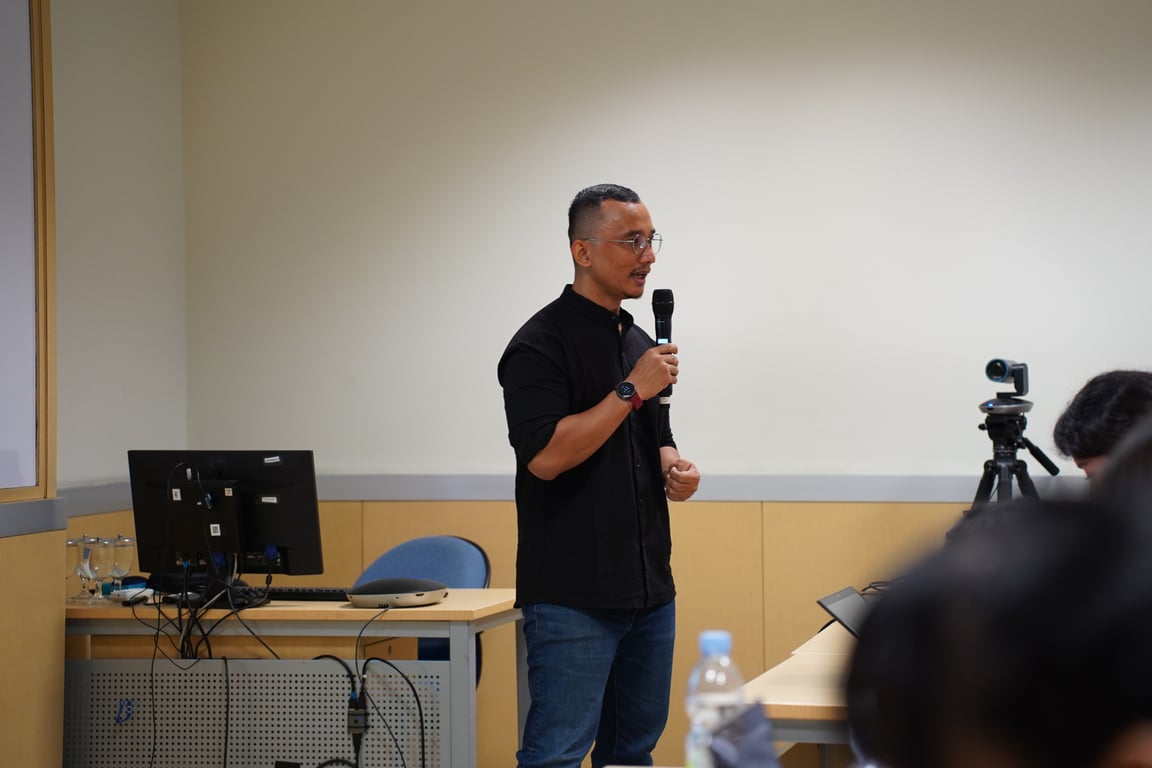
As part of this initiative, BINUS International’s International Business Program collaborated with Bosch Indonesia through an integrated project within the Multinational Corporation Management course. The program was designed to provide students with industry-based learning experiences, allowing them to understand how multinational companies navigate challenges across different markets and business environments.
Through this collaborative project, students explored various strategic issues currently shaping global industries. These included the development of electric vehicles and hydrogen technology, market localization strategies, and the impact of geopolitical shifts on global supply chains and the semiconductor industry.
By engaging directly with industry professionals and real business cases, students gained broader insights into international business challenges. The program also encouraged them to strengthen their analytical thinking, problem-solving abilities, and innovative mindset while adapting to the fast-changing global market landscape.
According to Dr. Ami, Head of the International Business Program at BINUS International, collaborations like this play an important role in preparing students with globally relevant competencies that meet current industry needs. She emphasized that direct involvement in industry projects helps students better understand the complexities of multinational business operations while preparing them for international career opportunities.
Meanwhile, Bosch Indonesia also views partnerships with educational institutions as a strategic effort to support the development of future talent. Through this collaboration, students are not only introduced to real industry challenges but are also encouraged to develop innovative solutions that respond to evolving market and technological demands.
The collaboration program will continue until June 2026 and conclude with final presentations in which students will present innovative solutions and strategies addressing the industry challenges introduced throughout the project. The initiative is expected to become a sustainable model for strengthening the relationship between academia and industry while accelerating the development of globally competitive Indonesian talent.
Through continuous collaboration between academia and industry, future generations are expected to become more prepared to compete on a global scale, equipped with strategic thinking skills and the confidence to navigate the future of industry transformation.
Comments :