

From BTS to The Weeknd: Indonesia’s Position in the Global Entertainment Market
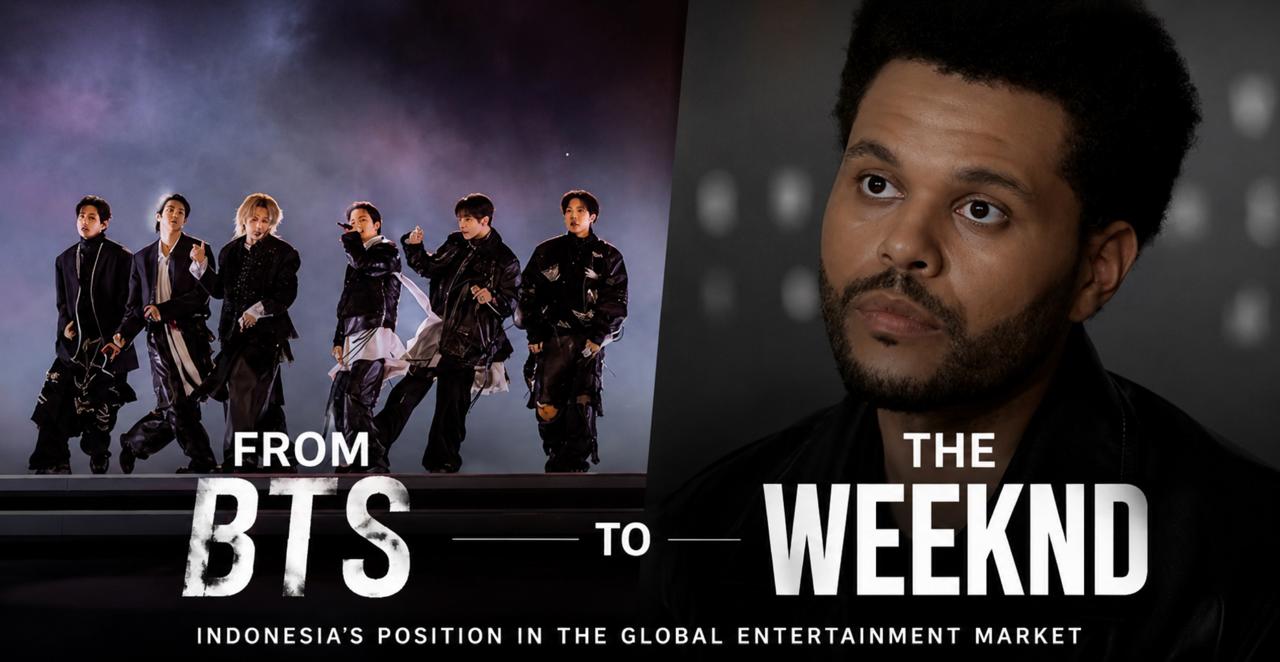
Figure 1. BTS and The Weeknd as representations of global artists with significant influence in the international entertainment industry.
Source: CNN Indonesia (2026a); CNN Indonesia (2026b).
The global entertainment industry has evolved into one of the most dynamic sectors in international business. Music is no longer viewed solely as a form of entertainment but also as a global economic activity capable of generating substantial value through concerts, merchandise, sponsorships, tourism, and digital engagement. As artists expand their reach through international tours, countries compete to position themselves as attractive destinations within the global entertainment market.
In recent years, Indonesia has increasingly emerged as a strategic destination for international artists. Major performers such as BTS and The Weeknd have included Indonesia in their global touring plans, reflecting the country’s growing importance within the entertainment ecosystem (CNN Indonesia, 2026a; CNN Indonesia, 2026b).
BTS has become one of the most influential music groups in the world, building a global fanbase through innovative marketing strategies, strong digital engagement, and a distinctive brand identity (BIGHIT Music, n.d.). Similarly, The Weeknd has established himself as a dominant figure in the global music industry through consistent commercial success and worldwide recognition (Billboard, n.d.).
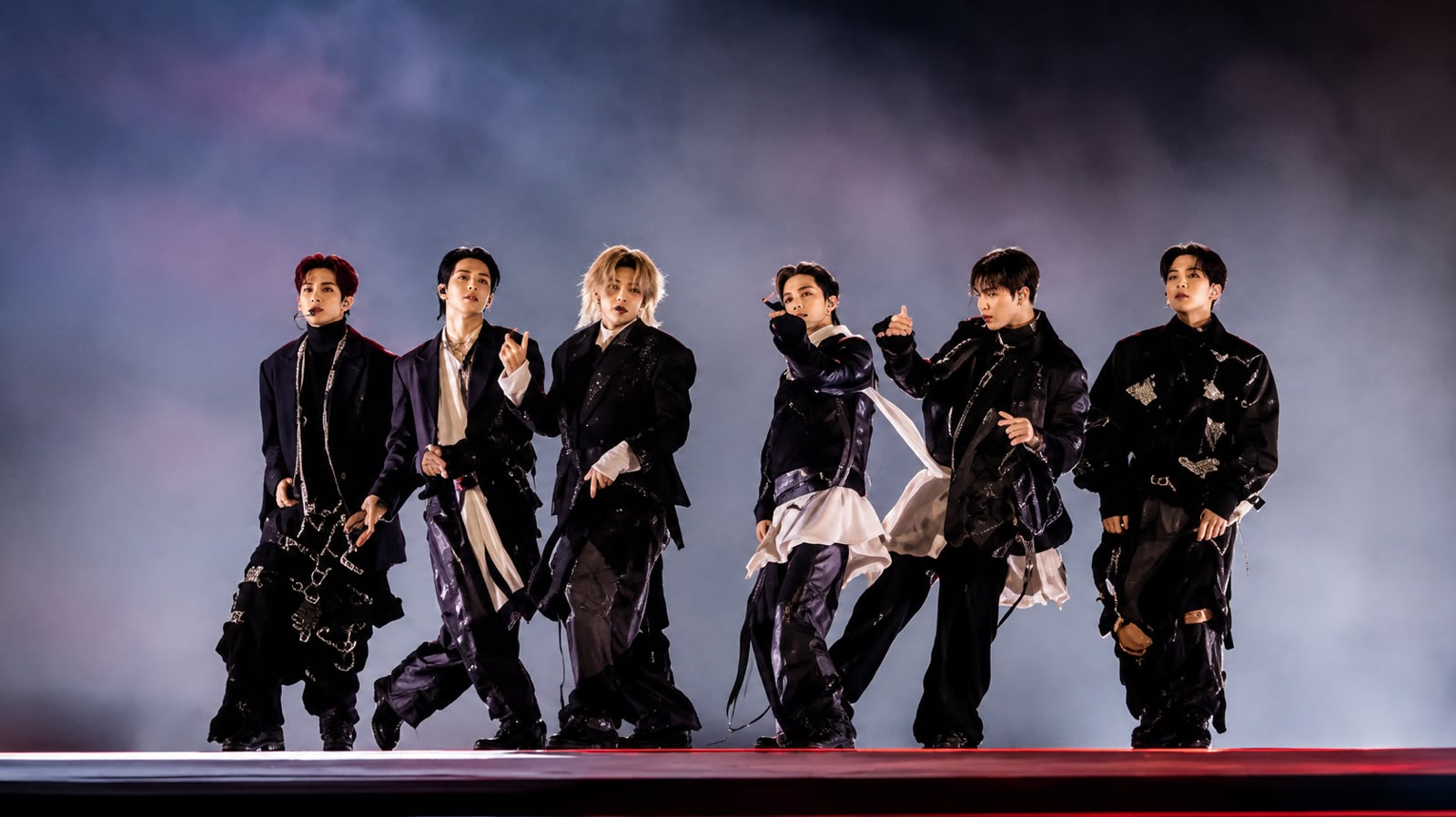
Figure 2. BTS is one of the world’s largest music groups, with a substantial fanbase in Indonesia.
Source: CNN Indonesia (2026a).
Indonesia’s large youth population plays a significant role in shaping demand for global music content. Young consumers actively engage with international artists through streaming platforms, social media, fan communities, and live events.
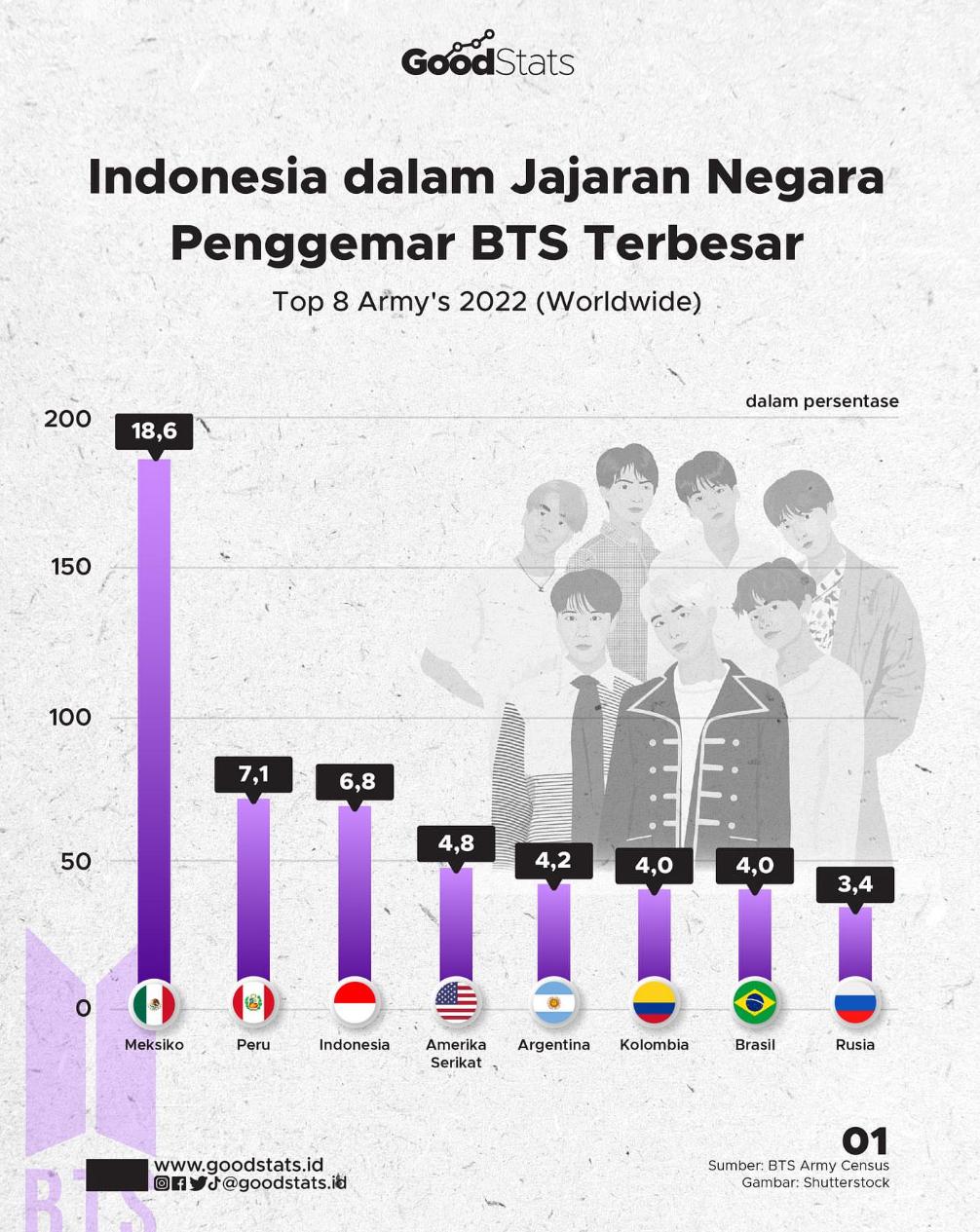
Figure 3. Indonesia is among the countries with the largest BTS fan communities worldwide.
Source: GoodStats (2023).
According to data published by GoodStats, Indonesia ranks among the countries with the largest BTS fan populations globally (GoodStats, 2023). This finding illustrates the scale of consumer demand that exists within the Indonesian market.
According to Martínez and Gutiérrez Iturralde (2025), music festivals and concerts have evolved into important tourism assets that enhance destination attractiveness and strengthen local economies. Satrya (2024) also explains that concert and music tourism have become increasingly important components of destination development.
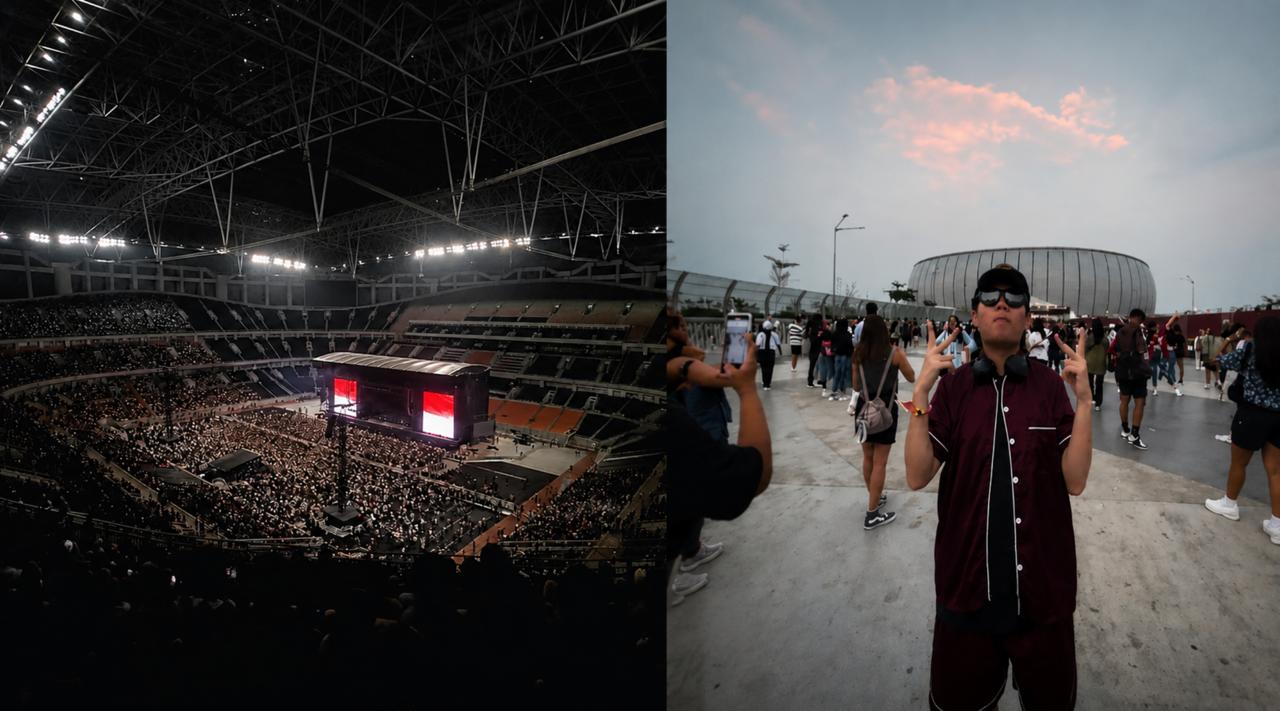
Figure 4. Audience enthusiasm during an international concert in Indonesia.
Source: Author’s personal documentation (2024).
The enthusiasm shown by Indonesian audiences during international concerts demonstrates that Indonesia has evolved beyond being a passive consumer of global entertainment. Instead, the country has become an active participant in the global entertainment economy. Large scale concerts involving artists such as BTS and The Weeknd create economic activities that extend far beyond ticket sales, generating benefits for multiple industries and stakeholders.
According to Guo (2025), concerts and music festivals generate significant economic impact through visitor spending on accommodation, transportation, food and beverages, and other supporting services. When thousands of fans travel to attend a concert, their spending contributes directly to local businesses and creates a multiplier effect throughout the economy. In this context, the economic value of a concert is not limited to the event venue itself but spreads across various sectors that support the visitor experience.
This phenomenon is particularly relevant in Indonesia, where major concerts often attract attendees from different cities and regions. Fans frequently book hotels, use public transportation, purchase food and beverages, and spend additional money on merchandise and tourism activities. As a result, international concerts can function as short term economic drivers that stimulate business activity in the host city.
The economic impact becomes even greater when viewed through the lens of the creative economy. Wahdah (2024) explains that concerts involving global artists such as BTS have the potential to strengthen Indonesia’s creative economy by creating opportunities for businesses operating in hospitality, transportation, retail, event management, and other supporting industries. Therefore, concerts should not be viewed solely as entertainment events but also as economic activities capable of generating employment opportunities and increasing business revenues.
Beyond their direct economic contributions, international concerts also create value through the experiences they offer to consumers. Magni (2022) argues that value creation in the live music industry is closely linked to the emotional connection between artists and audiences. Consumers are often willing to pay premium prices not only to watch a performance but also to experience a memorable event that strengthens their relationship with the artist. This emotional value differentiates live music from many other forms of entertainment and explains why demand for major concerts remains strong despite rising ticket prices.
The cases of BTS and The Weeknd illustrate how global artists can transform fan engagement into economic value. Strong fan communities contribute to ticket sales, merchandise purchases, and online engagement, creating a sustainable ecosystem that benefits artists, promoters, sponsors, and local economies. In this sense, fandom itself becomes an important business asset within the global entertainment industry.
However, the organization of international concerts is not without challenges. Rising operational costs remain one of the most significant concerns for promoters and event organizers. Pusparisa (2026) notes that increases in aviation fuel prices can affect the overall cost structure of international tours, as artists, production teams, and equipment must be transported across multiple countries. These higher operational expenses may ultimately lead to increased ticket prices, which can influence consumer purchasing decisions.
Despite these challenges, Indonesia continues to strengthen its position as an attractive destination within the global entertainment market. The combination of a large consumer base, strong fan communities, growing purchasing power, and expanding tourism opportunities makes the country increasingly appealing to international artists and promoters. As more global performers choose Indonesia as part of their world tours, the country’s role within the international entertainment industry is likely to become even more significant.
From BTS to The Weeknd, the growing presence of global artists in Indonesia reflects more than entertainment demand. It demonstrates Indonesia’s evolution into a strategic market capable of generating economic value, supporting tourism growth, and contributing to the development of the global entertainment industry.
References
BIGHIT Music. (n.d.). BTS profile. https://ibighit.com/en/bts/profile/
Billboard. (n.d.). The Weeknd artist profile. https://www.billboard.com/artist/the-weeknd
CNN Indonesia. (2026, May 22). BTS konser di SUGBK Jakarta 26 dan 27 Desember 2026. https://www.cnnindonesia.com/hiburan/20260522132835-227-1361193/bts-konser-di-sugbk-jakarta-26-dan-27-desember-2026
CNN Indonesia. (2026, May 19). Baru dipesan, banyak tiket konser The Weeknd Jakarta dijual lagi. https://www.cnnindonesia.com/hiburan/20260519144726-227-1360018/baru-dipesan-banyak-tiket-konser-the-weeknd-jakarta-dijual-lagi
GoodStats. (2023). Indonesia dalam jajaran negara penggemar BTS terbesar [Instagram post]. Instagram. https://www.instagram.com/p/C06ANImhPg9/
Guo, M. (2025). The economic impact of concerts and music festivals on the region where they are performed. ResearchGate. https://www.researchgate.net/publication/391498246_The_Economic_Impact_of_Concerts_and_Music_Festivals_on_the_Region_Where_They_Are_Performed
Magni, F. (2022). Value creation and appropriation in the live music industry: A population ecology analysis of live music ticket pricing. Journal of Cultural Economics. https://www.tandfonline.com/doi/full/10.1080/16522354.2022.2036440
Martínez, G. M., & Gutiérrez Iturralde, I. (2025). The music festival as a tourist attraction. SAUC: Street Art & Urban Creativity. https://visualcompublications.es/SAUC/article/view/5803/4228
Pusparisa, Y. D. R. (2026). Lonjakan harga avtur berpotensi menaikkan harga tiket konser. Kompas.id. https://www.kompas.id/artikel/lonjakan-harga-avtur-berpotensi-menaikkan-harga-tiket-konser
Satrya. (2024). Toward the concert and music tourism in Solo of Indonesia. International Journal of Applied Sciences in Tourism and Events. https://ojs2.pnb.ac.id/index.php/IJASTE/article/view/1447
Wahdah, N. B. (2024). Peningkatan ekonomi kreatif melalui tour konser BTS di Indonesia. UNAIR News. https://unair.ac.id/peningkatan-ekonomi-kreatif-melalui-tour-konser-bts-di-indonesia/
Comments :