
The Diocese of Labuan Bajo and Bina Nusantara University Strengthen Community Economic Independence through Sustainable Agro-Ecotourism Development
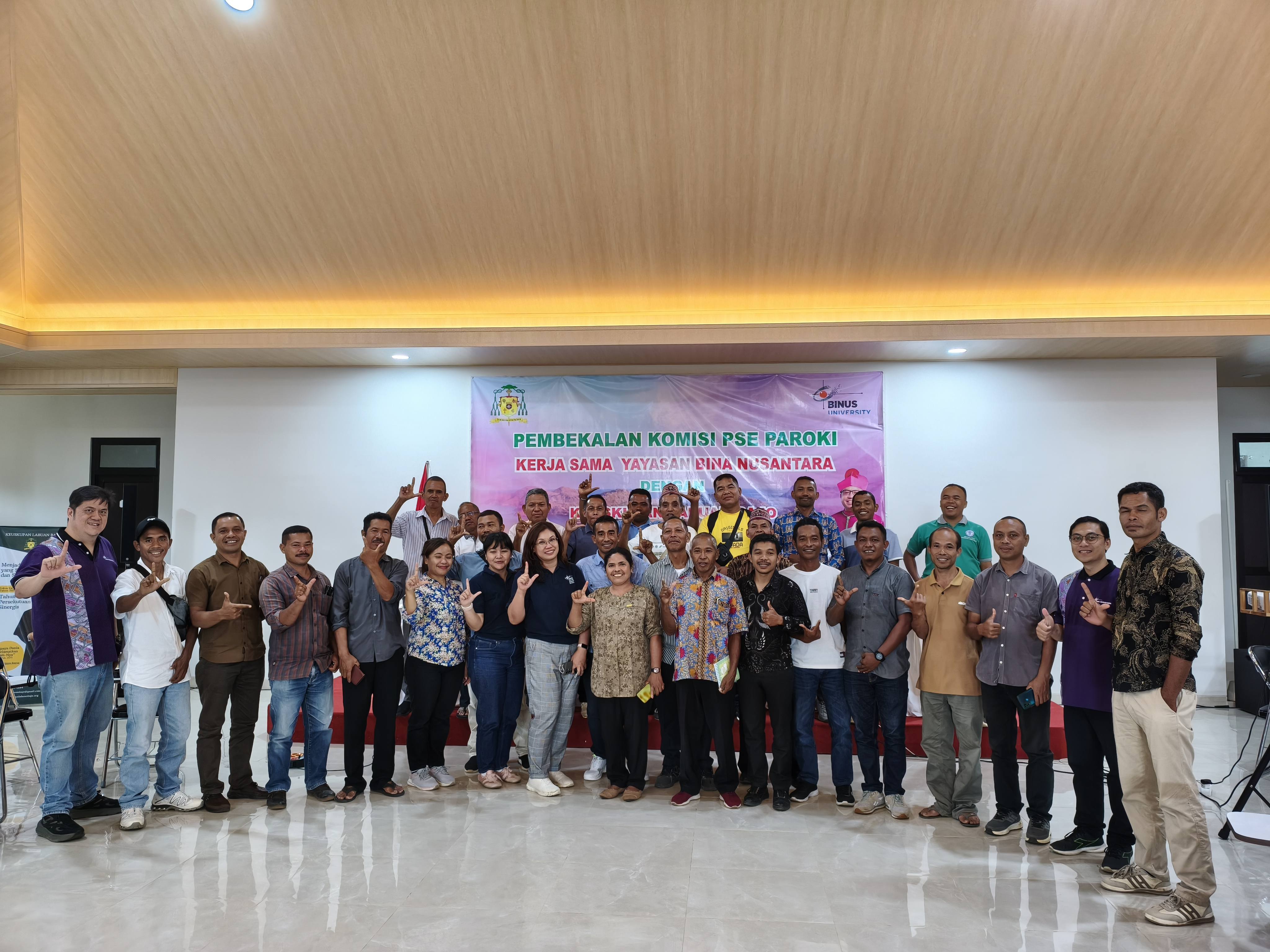
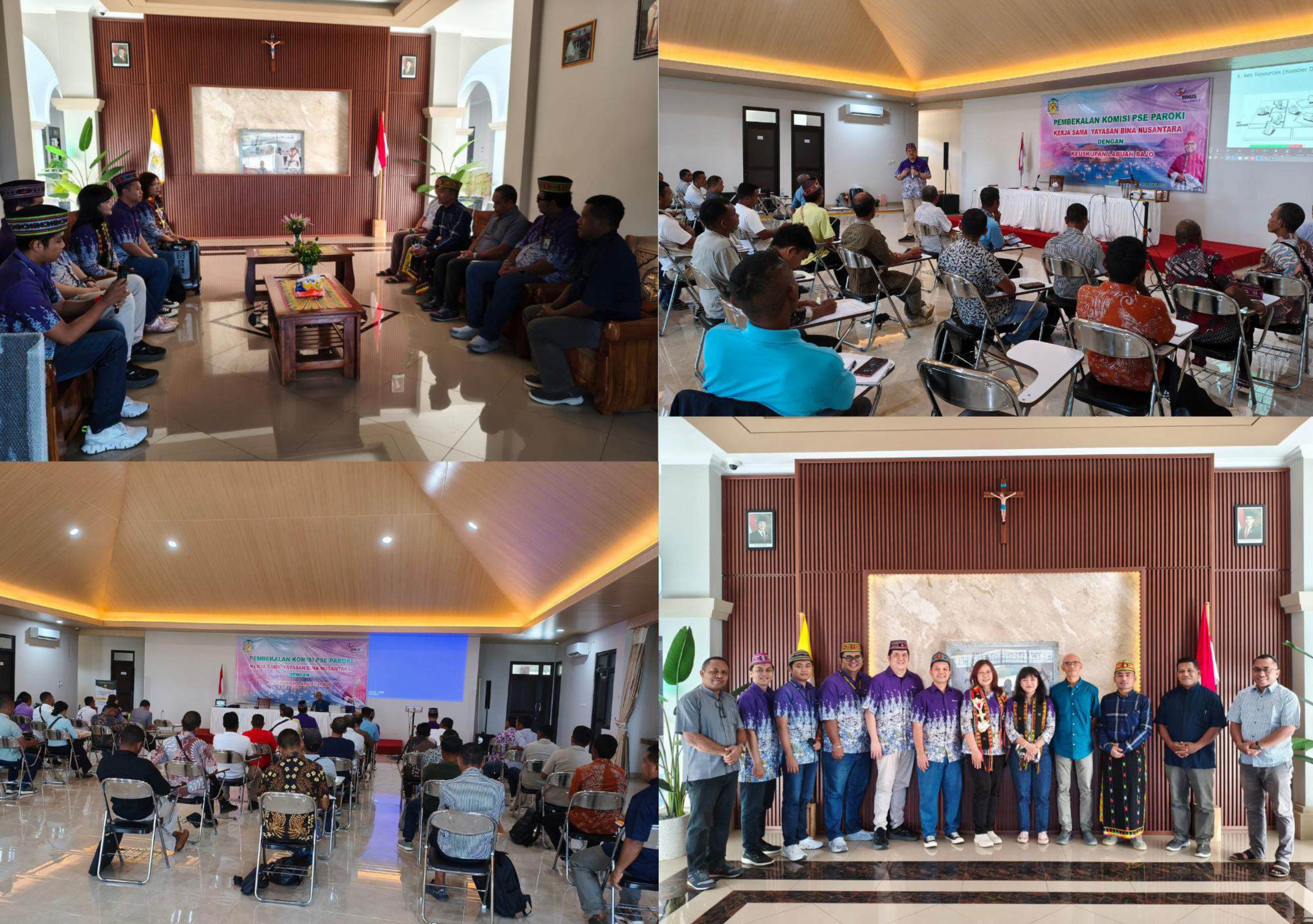
Labuan Bajo, April 13–14, 2026 – In an effort to promote community economic self-reliance and strengthen local capacity in sustainable agricultural practices, the Diocese of Labuan Bajo, in collaboration with Yayasan Bina Nusantara, organized a two-day capacity-building program for the Parish Socio-Economic Development Commission (PSE). The program is part of a strategic BINUS initiative led by Dr. Sekar Wulan Prasetyaningtyas, aimed at empowering communities through sustainable economic development rooted in agriculture and entrepreneurship.
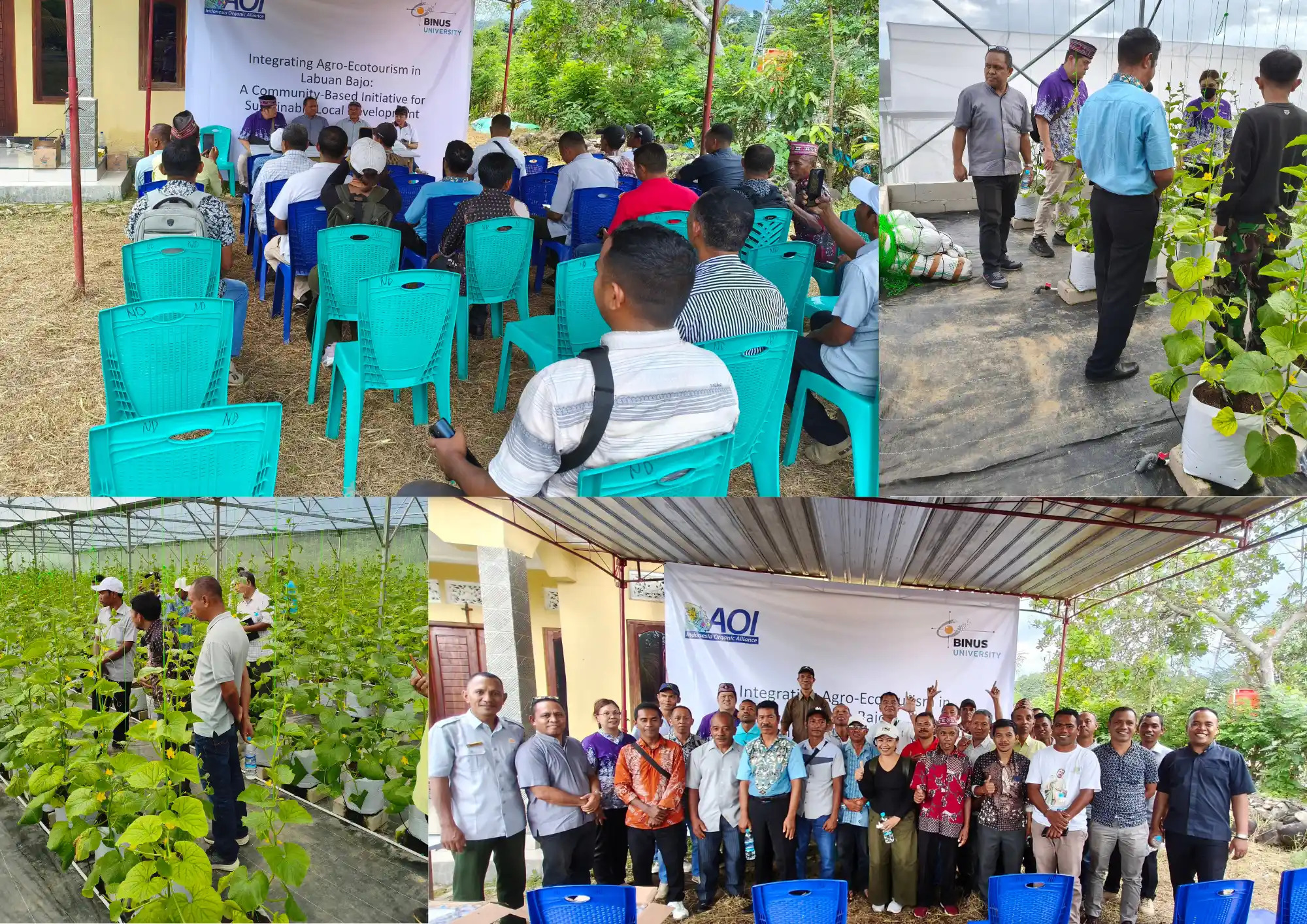
The program was conducted under the theme “Integrating Agro-Ecotourism in Labuan Bajo: A Community-Based Initiative for Sustainable Local Development.” It focused on developing community-based agro-ecotourism to foster sustainable local development in Labuan Bajo. Through this initiative, the agricultural and tourism sectors are integrated in an innovative manner to create economic value for local communities while maintaining environmental sustainability.
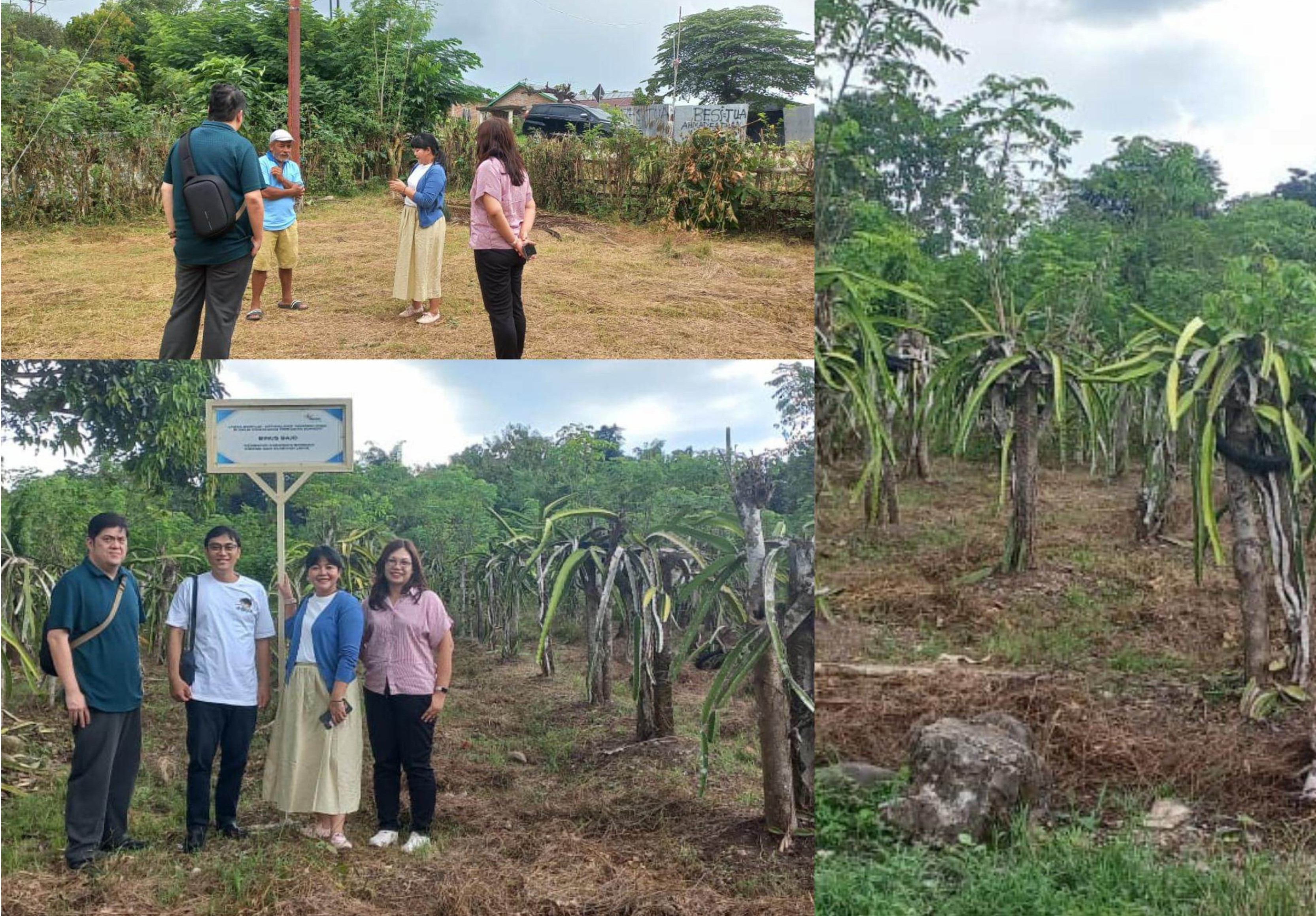
On the first day, participants attended the opening session followed by a presentation on the fundamentals of organic agriculture. The session was delivered by Mr. Sukmi Alkausar, Director of the Organic Alliance Indonesia (AOI), who discussed the foundations, definitions, and principles of organic farming. Participants gained valuable insights into the importance of implementing environmentally friendly, sustainable agricultural practices in parish communities. The program continued with a session on the Business Model Canvas (BMC) delivered by Prof. Arta Moro Sundjaya and Dr. Evelyn Hendriana. During this session, participants were introduced to the concepts, functions, and key elements of the BMC as a tool for designing organic farming business models that are both environmentally sustainable and economically viable. As part of the experiential learning activities, participants also conducted a field visit to the farm owned by Mr. Paul, a farmer who received funding support from BINUS University in 2025. This visit enabled participants to observe the implementation of organic farming practices firsthand and to gain a better understanding of the opportunities and challenges involved in managing such initiatives.
In addition to the lectures, participants engaged in discussions with faculty members from the BINUS Doctorate in Research in Management (DRM BINUS) and the BINUS Business School Master of Management Program (MM BINUS), and then attended a workshop on developing business plans for organic farming ventures. The program concluded with participants presenting the outcomes of their group work.
The second day focused on business development through a Business Plan session delivered by Mr. Stefanus Rumangkit, M.Sc. The materials covered the definition and benefits of a business plan, its importance for aspiring entrepreneurs, key components of a business plan, and practical tips for developing effective business strategies.
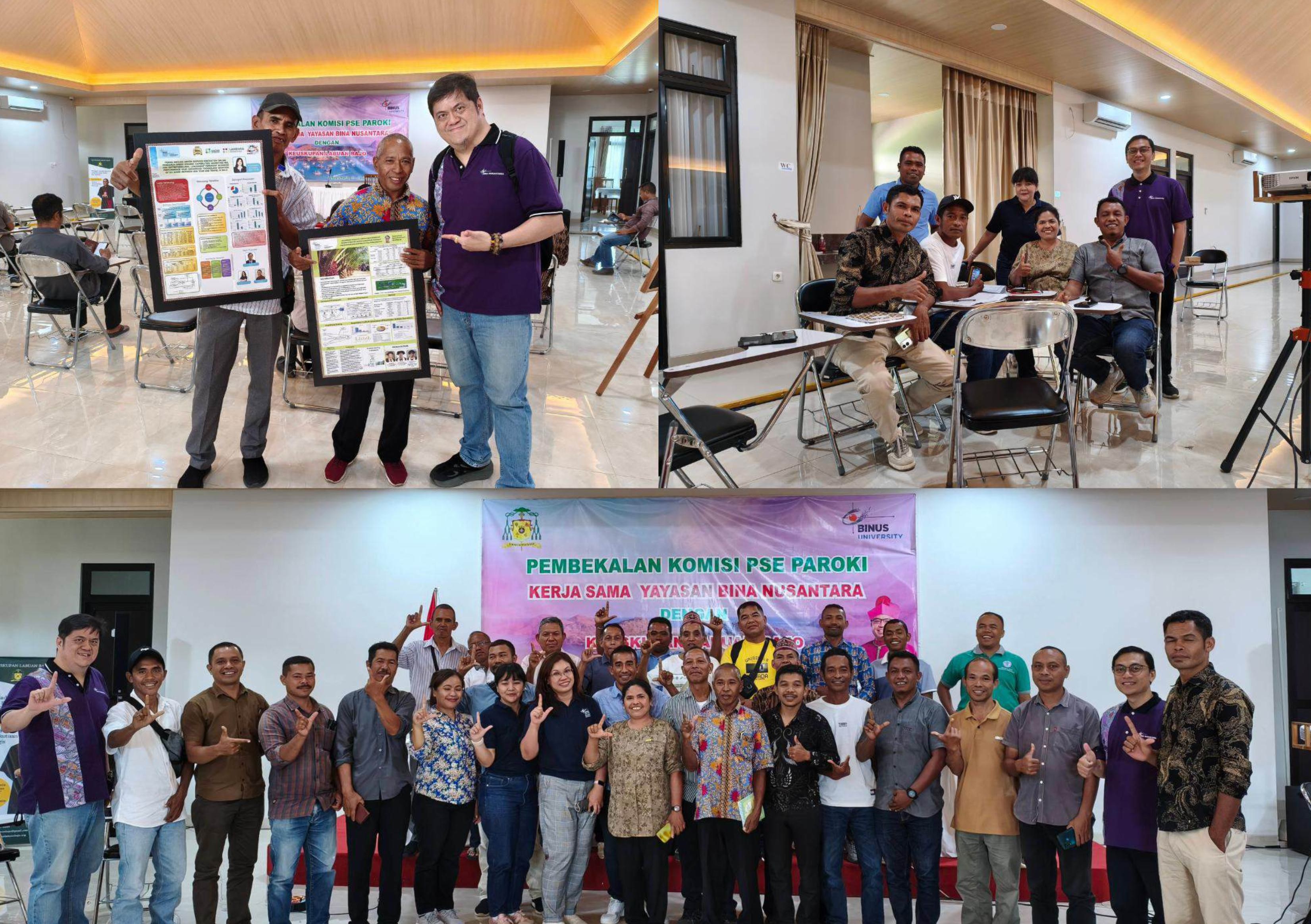
The discussions also addressed various practical issues, including the process of obtaining Home Industry Food Production Certification (P-IRT), strategies for mitigating business risks from natural factors, marketing approaches for agro-tourism products, and the effective use of social media as a promotional and market-development tool.
Through this initiative, the Parish Socio-Economic Development Commission (PSE) is expected to be better equipped to develop sustainable community-based economic initiatives, thereby contributing to the welfare of local communities and supporting sustainable local development in Labuan Bajo.