

Youth and Business National Dialogue on Future Employment and Decent Work
Youth and Business National Dialogue on Future Employment and Decent Work
27 September 2023
@ BINUS FX Senayan Campus
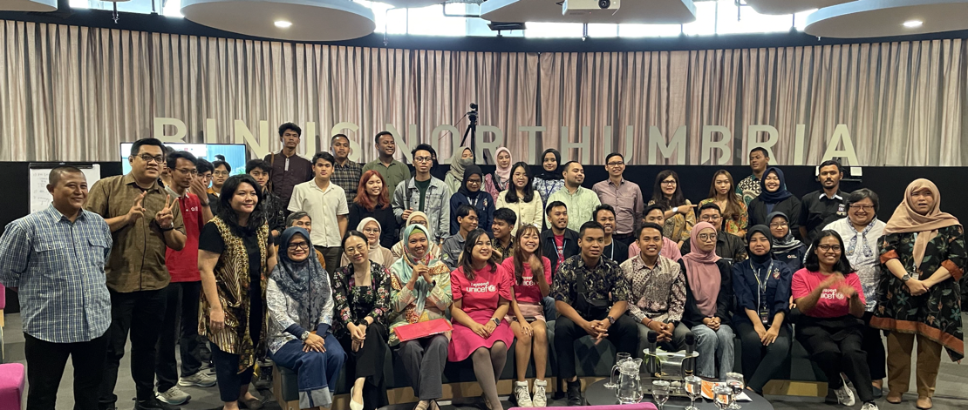
On 27th September 2023, BINUS FX Senayan Campus hosted the Youth and Business National Dialogue on Future Employment and Decent Work. The event brought together key stakeholders from various sectors, including UNICEF, ILO, PKPI, BINUS, and other notable organizations, to discuss critical issues related to youth skills development and employment.
Session 1: Presentations by Key Organizations
UNICEF:
UNICEF emphasized the importance of equipping youth, aged 11-19, with essential skills that are required for both personal and professional growth. These include:
- Basic skills: Foreign languages, digital literacy, entrepreneurship, and job-focused competencies.
- 21st-century skills: These focus on four pillars—learning, unlearning, relearning, securing decent work, self-management (resilience, time management), and active participation in policy-making and community activities. These skills encompass social, cognitive, and conative aspects.
UNICEF highlighted the disparity in skill development opportunities between urban and rural areas. While urban youth have access to better infrastructure and educational resources, rural youth often face significant barriers, including limited access to technology and education. The organization stressed the need for regional strategies to address these disparities and recommended integrating 21st-century skills into educational curricula.
ILO:
The International Labour Organization (ILO) raised issues of social justice and decent work, which is defined as productive work that respects human dignity and is accessible to all, including marginalized groups. Key points included:
- Enforcement of minimum working age (18 years) and the freedom to associate and organize.
- The importance of non-discrimination based on race, gender, religion, or disability.
- The need for policies that promote economic growth, sustainable development, and full employment.
ILO highlighted the challenges faced by young workers, particularly those in the informal sector, and the impact of the COVID-19 pandemic on employment. They called for long-term investments in policies that ensure sustainable and inclusive economic growth.
PKPI (ECPAT):
PKPI, focusing on child protection in business sectors, discussed the dual nature of digital technology—its potential benefits and its risks. They addressed the dangers children face online, including exploitation and abuse, and emphasized the need for businesses to develop child-friendly products and mitigate these risks. The organization advocates for global collaboration and regional action plans to protect children from online exploitation and violence.
BINUS University:
BINUS University showcased its initiatives to prepare students for the job market through various programs:
- BINUS Career Program: Includes inviting industry practitioners, career mentoring, CV consultation, and interview simulations.
- 3+1 Program: Combines three years of academic study with one year of professional experience.
- Career Expos: Held twice a year to connect students with potential employers.
BINUS stressed the importance of students pursuing their passions while being prepared for industry demands. The university aims to produce graduates who are resilient, competitive, and adaptable.
Peace HR Society (Melanie):
Melanie from Peace HR Society emphasized the importance of communication skills and resilience in the workplace. She highlighted the value of internships and participating in HR communities to gain practical experience and build professional networks.
Key Questions and Answers
During the Q&A session, significant topics were discussed, such as menstrual leave and its impact on productivity, the high turnover rate among Gen Z employees, and strategies to align company policies with the needs of young workers. The responses emphasized the importance of creating inclusive and supportive work environments that respect the rights and needs of all employees.
Session 2: Group Panel Discussions
Group 1: Industry Perspectives
Industry leaders discussed the definition of decent work, highlighting the importance of work-life balance, health, and spiritual well-being. They also identified the gap between industry expectations and the current capabilities of young workers, stressing the need for continuous learning and resilience.
Group 2: Future Skills
Participants identified critical future skills, including critical thinking, problem-solving, communication, leadership, and resilience. They also emphasized the importance of technical skills like IT, digital marketing, and cloud computing. The discussion highlighted the need for educational institutions to collaborate with industries to align curricula with future job market demands.
Group 3: Skills for the Future
The group emphasized the importance of soft skills such as adaptability, communication, and leadership, along with hard skills in technology and digital literacy. They discussed the role of educational programs like “Kampus Merdeka” in helping students develop these skills and prepare for the dynamic job market.
Conclusion
The Youth and Business National Dialogue on Future Employment and Decent Work underscored the critical role of multi-stakeholder collaboration in addressing the challenges faced by young people in the workforce. It called for the integration of 21st-century skills into educational curricula, the creation of inclusive policies, and the continuous support of youth through meaningful engagement and capacity-building initiatives. The dialogue highlighted the need for a comprehensive approach to ensure that all young people, regardless of their background, have the opportunity to acquire the skills they need for a successful future.
Comments :