

Developing Tomorrow’s Business Leaders Through Insight and Innovation
Cultivating a future leader in business using insight and innovation entails providing them with the skills and mentality required to manage a constantly changing business world. Future leaders may make more informed judgments and drive strategic initiatives by developing a thorough awareness of market trends, client needs, and emerging technology. Encouraging creative thinking and problem-solving prepares them to adapt to difficulties and seize new possibilities. Combining these elements—insight into present and future trends and innovative approaches—prepares rising leaders to not only effectively manage and motivate their teams, but also to spearhead revolutionary changes that impact their industries’ futures.
Tri Upcycle: Sustainable Fabrics, Environmental Impact, and Market Adaptation
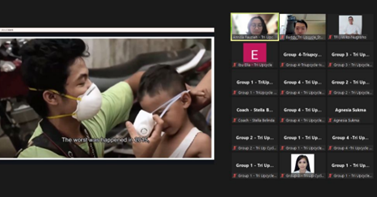
On July 23, 2022, an online conversation between BBS and NGO representatives was begun by Mr. Wiko Nugroho of TFI. He introduced Mrs. Annisa Fauziah, the PIC of Tri Upcycle, and her beneficiary, Mrs. Ella. Mr. Wiko also welcomed Steven from Campaign.com, who will serve as Tri Upcycle’s partner throughout the Virtual Discussion. Mrs. Annisa Fauziah then spoke about Tri Upcycle’s business, highlighting the use of upcycled and sustainable materials to promote conscious consumption and environmental sustainability. Tri Upcycle was founded in Bali in 2016 and is inspired by the Balinese philosophy of Tri Hita Karana, which emphasizes harmony with people, nature, and the divine. They provide bespoke goods for B2B markets such as cafes and resorts that respect sustainable materials
Tri Upcycle has accomplished significant milestones, such as planting over 2,400 trees in Kalimantan and Bali, constructing 20 dams in Sebangau forest to address water retention issues, assisting floating libraries in Kalimantan, salvaging 56,000 meters of cloth from landfills, and reducing 110 kilograms of carbon dioxide emissions. Despite these gains, the company experienced hurdles during the epidemic, resulting in lower sales and the necessity to refocus their market focus. To address these difficulties, Tri Upcycle investigated creating dual aims for foreign and domestic markets, as well as experimenting with full online and offline sales tactics.
Empathizing with NGOs and Optimizing Waste Management: Insights from Kepul.id’s Social Innovation
Around the twenty-third of July 2022, Sir Tisna of the Teach for Indonesia team initiated an online conversation among BBS and NGO officials, focusing on empathizing with non-governmental organizations (NGOs). Devi Putri Ramadhani, the PIC for Campaign.com, welcomed the participants. The first session included introductions, an overview of the BBS Social Innovation Camp 2022, and instructions for all participants. Following the introductory remarks, Kak Abdul Latif, CEO and Founder of Kepul.id, presented a keynote presentation about the company’s innovation, which aims to optimize the sale and purchase of recyclable garbage. This program connects people who wish to sell waste with collectors, making it easier to sell over 60 different forms of organic and non-organic waste while also supporting environmental protection.
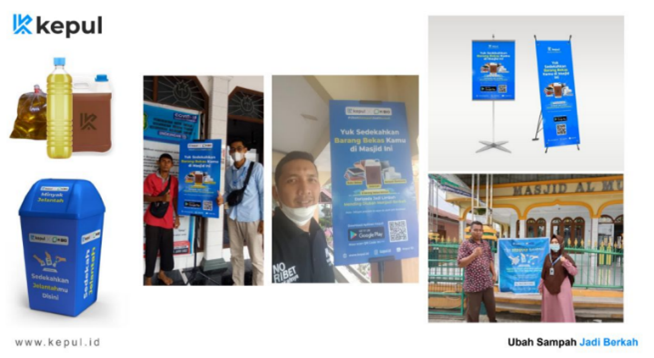
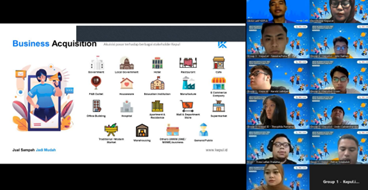
Within the virtual conversation, it was revealed that Kepul.id has received numerous accolades, including being named one of the top 30 startups in Asia by the Malaysian Global Innovation & Creativity Centre (MaGIC) in 2017, winning the Global IDEApreneur Week 2017 at MaGIC Malaysia, and ranking in the top ten at the Youth Entrepreneurship Symposium, NUS Business School Singapore 2017. Despite these accomplishments, Kepul.id confronts difficulties in convincing scavengers to join as partners because to its relatively new status and the trust issues that come as a result. However, Kepul.id hopes to extend its business and unify rubbish costs throughout cities, assuring minimal price differences and increasing scavenger confidence and involvement.
YPK Bali’s Commitment to Empowering Disabled Individuals: A Comprehensive Overview
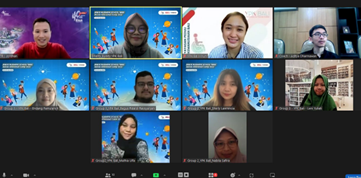
On the morning of July 23, 2022, at 9:10 a.m., students who chose YPK Bali convened in the breakout room for the Empathize session with Campaign.com’s Dhanty. Mrs. Yuni, the Director of YPK Bali, shared additional information about the organization. YPK Bali, founded in 2001, strives to improve the self-reliance and quality of life for people with physical disabilities in Bali by providing health care and accessible, caring, and professional educational possibilities. Their hearing-BaliRungu initiative has assisted 3,757 people with physical disabilities, with more 46,856 expected by December 2021.
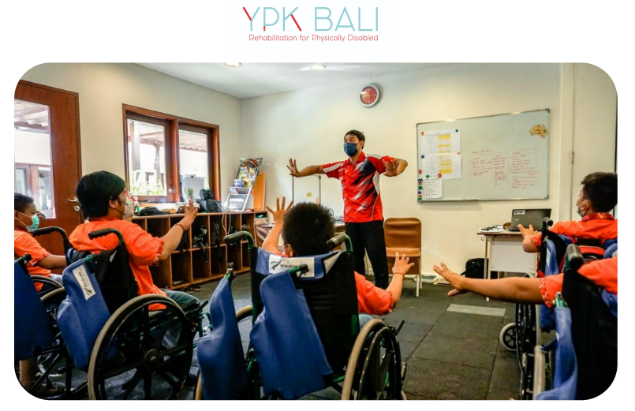
YPK Bali provides a variety of activities in Denpasar, including rehabilitation and informal educational opportunities. The rehabilitation program employs an integrated therapeutic approach, cooperating with Posyandu and Puskesmas on early diagnosis and intervention services. Their informal education includes personalized learning goals, life skills, and post-school activities. The mobile clinic offers treatment help to patients who live distant from the center, including assessments, family education, therapy, and home visits. BaliRungu focuses on children and teenagers and collaborates with volunteer doctors through the BBT “Baksos Bersih Telinga” program. Despite their important work, YPK Bali has problems such as inadequate human resources and finance, difficult-to-reach client locations, the pandemic’s impact on service delivery, and public stigma against disabilities. Their funding sources are diversified but insufficient, since they now employ 25 individuals and serve approximately 400 people, with limited access to online therapy for those who do not have internet or smartphones.
In conclusion, the initiatives discussed in the articles demonstrate how insight, innovation, and empathy can drive sustainable and impactful business practices. By focusing on developing future business leaders, they underscore the importance of equipping them with the skills to navigate evolving market trends and technologies. Tri Upcycle’s commitment to environmental sustainability through upcycling, along with their resilience in overcoming pandemic-related challenges, highlights the potential for businesses to adapt and thrive. Similarly, Kepul.id’s innovative approach to waste management showcases the power of social innovation in addressing environmental issues while supporting local communities. YPK Bali’s dedication to empowering individuals with disabilities through comprehensive healthcare and education emphasizes the importance of inclusive development. Together, these case studies illustrate how strategic insights, innovative solutions, and empathetic leadership can contribute to a more sustainable and equitable future.
Comments :