


Cultivating Compassionate and Creative Tomorrow’s Business Leaders Through Understanding and Ingenuity
Fostering compassionate and creative future leaders necessitates a thorough understanding of human emotions and experiences. By building empathy, tomorrow’s business leaders can gain a keen understanding of the needs and issues faced by their teams, customers, and communities, allowing them to build stronger, more cohesive teams and produce goods and services that truly resonate with their audience. Encouraging creativity and unconventional thinking is also critical, as it equips leaders to tackle complicated problems with unique solutions. This combination of compassion and creativity not only drives business success, but it also promotes sustainable and ethical practices by creating a supportive and inclusive work environment that encourages innovation and collaboration, resulting in continuous improvement and a positive social impact.
Mangrove Jakarta’s Environmental Efforts and Challenges
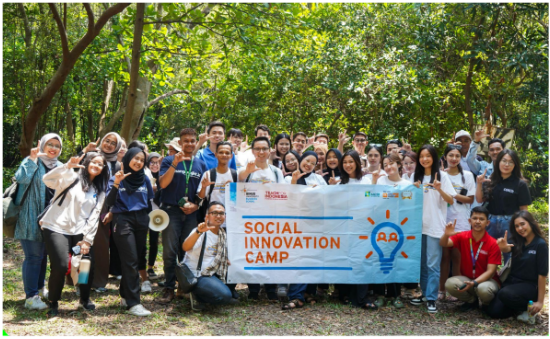
Around 9:00 WIB, BINUS members arrived at the Mangrove Ecotourism Centre PIK, where they were greeted by Kak Bayu, Kak Dea, and Kak Hamzah of Mangrove Jakarta. Under the shady trees, guests heard presentations from Nabila from the Campaign and Ms. Raissa from BINUS. The session focused on Mangrove Jakarta’s efforts to raise funds and promote environmental measures, particularly the planting of mangrove plants to combat crucial concerns like as climate change, deforestation, and erosion. During a meeting on December 16, 2023, it was stated that Mangrove Jakarta participates in a variety of programs, including acting as a distributor for companies or communities interested in mangroves, selecting mangrove ambassadors, providing training to coastal SMEs, conducting beach clean-ups, and educating the public via social media and Indonesian television.

Mangroves provide a variety of benefits, including erosion prevention, habitat for marine life, CO2 reduction, ecotourism support, and use as places of worship in Bali. However, obstacles such as a lack of information, waste, societal disparities, and materialistic mindsets impede planting operations. Although alternatives such as waste filters exist, budget constraints impede widespread adoption. Despite these challenges, Mangrove Jakarta remains committed to sustainable mangrove-based sanitation to address waste-related issues in coastal areas.
Yayasan Rumah Kita: Innovative Solutions for Social and Humanitarian Challenges
On December 16, 2023, BINUS held a meeting with Yayasan Rumah Kita (eRKA) and RPTRA Cibesut. Opening remarks were delivered by Mrs. Lanny from CIDER BINUS, who expressed hopes that the activity would foster strong curiosity in students, leading to innovative solutions for the eRKA Foundation. Mrs. Fauziah, manager of RPTRA Cibesut, warmly welcomed the BBS Social Innovation Camp 2023 activities. Founded in 2005, Rumah Kita Foundation addresses social and humanitarian challenges, focusing on children’s rights. The foundation supports orphans, underprivileged individuals, urban poor, street children, teens, and the elderly, led by socially aware young people with experienced social workers ensuring program execution aligns with national service standards.

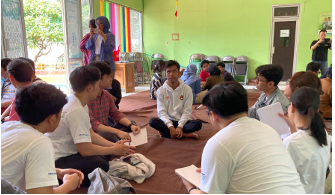
Notable programs by eRKA in collaboration with the government and partners include the adaptation of PPA-PKH into a national program, handling Children in Conflict with the Law (ABH), Yes I Can, Child Forum Development, Universal Birth Registration, and Rumah Score. However, eRKA faces challenges such as operating in rented facilities, irregular funding, and limited networking for programs and grants. To address these issues, eRKA allocates 25% of received funds for current and future projects, seeks voluntary donations, and offers its programs to potential donors. Future plans include a study tour with sponsored children, conflict resolution to prevent children from returning to hazardous work, youth talent competitions, parenting through religious discussions, daily allowance provision, and establishing a social enterprise.
Geraseri’s Community Initiatives and Challenges: Strengthening Youth-Led Support Programs and Overcoming Obstacles
On the sixteenth of December 2023, at 8.15 a.m., BBS Social Innovation Camp met with the Geraseri community. Nabila Nurhaliza from the campaign team kicked off the event, creating a welcome environment for attendees to face obstacles alongside the Geraseri Community. Kak Nurliana, representing Binus Business School, then presented the introductory remarks, thanking the Geraseri community for their warm welcome. Shara from the Geraseri Community provided an overview of the organization. GERASERI stands for Thousand-a-Day Movement. It is a social group dedicated to strengthening orphans, the impoverished, and those afflicted by natural disasters through collaborative work initiatives engaging youngsters in several Indonesian cities.
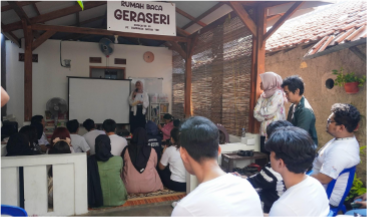
The Geraseri Community supports orphans and disaster victims through various youth-led programs, including Geraseri Rapid Response, Geraseri Sharing Smiles, Geraseri Cares for Orphans, Geraseri Sharing Groceries, Qurban Charity, Distributing Packed Meals, and Reading House. Each program targets specific needs: for example, Geraseri Cares for Orphans collaborates with orphanages and Quranic households, while Distributing Packed Meals is organized on Fridays outside mosques after prayers. The community faces challenges such as insufficient media coverage, unreliable donations leading to fluctuating income, and difficulties in adhering to program timelines.
Yayasan Jala Samudera Mandiri’s Efforts to Support Education and Community Development in North Jakarta

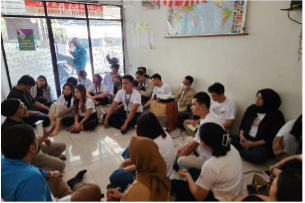
On December 16, 2023, at 9:00 a.m., BBS Social Innovation Camp met with Yayasan Jala Samudera Mandiri to discuss their mission of reducing poverty and fostering a wealth mentality in underprivileged areas. The event was introduced by MC Kak Raha and featured representatives from BINUS, including Ms. Wawa and Ms. Pantri. Mr. Zainal, the Foundation Administrator of Yayasan Jala Samudera Mandiri, presented the Rumah Belajar JICT Program, which addresses high theft, criminal activity, and child exploitation in Tanjung Priok, Clincing, and Koja areas, worsened by domestic violence, bullying, and poverty. The program seeks to reduce school dropout rates in North Jakarta by providing a safe learning environment and enrolling 200 children in a home learning program within a year.
The Rumah Belajar JICT Program, which operates in Tj. Priok, Koja, and Clincing, follows the 4 B technique: Play, Learn, Be Friends, and Develop. This strategy seeks to provide a friendly and engaging educational environment in which any community member can act as a teacher. The program not only provides educational opportunities, but it also helps the children develop a sense of belonging and comfort. Despite its intentions, the program faces a number of hurdles, including children regularly changing families, parents’ reluctance to grant permission, and practical difficulties in reaching rural places. Outreach programs frequently fail when community members agree to join but do not show up due to distance or other barriers. The program’s success hinges on overcoming these obstacles to ensure that the children receive consistent and effective support.
Encouraging Women with PPSW: Achievements and Challenges.
PPSW (Pemberdayaan Perempuan, Sehat, dan Wanita) aims to empower women from low-income urban and rural communities, addressing issues like economic challenges, health, and education. On 16 December 2024, BBS Social Innovation Camp representatives met with PPSW, where Amelia Nurkasih from M&E Freelance Campaign initiated the session with gratitude, setting a positive tone. Mr. Petrus Lakonawa from BINUS and Ahmad Aziz, Engagement Lead Campaign, highlighted collaboration and empathy, while participants engaged with PPSW to gain insights for innovative solutions.
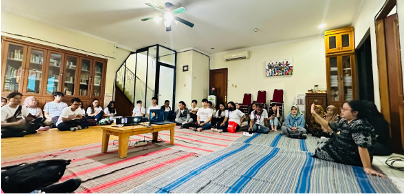
Fitria from PPSW emphasized that the organization’s core mission is to empower women in the lowest socioeconomic strata of urban slums and rural areas. PPSW has made notable achievements, such as encouraging women to assume leadership roles and supporting over 10,000 MSME entrepreneurs through cooperative memberships. The organization also uses a Capacity Building Fund to enhance skills among grassroots cooperative members. However, PPSW faces challenges in improving operations and advocacy, including addressing human resources issues, reducing donor dependency, and strengthening data management.
Transforming Communities: The Journey and Impact of Kelingking Indonesia
Kelingking Indonesia is a platform dedicated to positive activities such as disaster relief, education, and social issues. On December 16, 2023, a group of Binus Business School students met with Kelingking Indonesia (KIND) at 08:51 WIB. The event began with MC Anisa Aulia congratulating both the Binus Business School students and the Kelingking Indonesia team for their involvement in the BBS Social Innovation Camp 2023. This was followed by opening remarks from Chandra of the Binus team and a presentation by Mr. Sandy and Ms. Vina from the NGO.

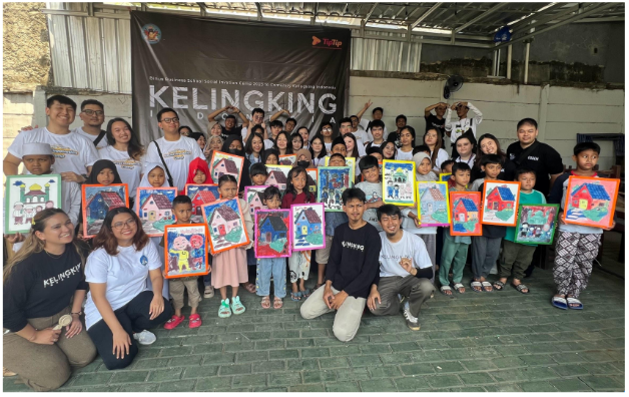
Sandy, the founder of Kelingking Indonesia, shared the story of KIND’s establishment, which began with her personal travels revealing the challenges faced by children in remote areas of Indonesia. Observing the lack of play and learning opportunities and the state of improvised school equipment, Sandy initiated KIND’s operations with Literacy and Nutrition Education. The organization has since expanded to include disaster relief, charitable events, and the ‘Melukis ke Timur’ painting initiative, now operating in six provinces with plans to extend to DKI Jakarta and West Java. Despite their success, KIND faces challenges with legal standing and limited resources, seeking material support, regular donors, and assistance in establishing the Kelingking Indonesia Social Foundation.
At last, developing the next generation of business leaders through compassion and creativity requires a thorough understanding of human experiences and emotions. Such leaders may strengthen teams and produce meaningful products by cultivating empathy, allowing them to better address the needs of their communities. Simultaneously, embracing creativity enables individuals to address challenging challenges with inventive solutions. This combination of empathy and innovation not only drives commercial success, but it also encourages ethical practices and sustainable development. Addressing social and environmental concerns through community engagement and innovative problem-solving, as demonstrated by organizations such as Mangrove Jakarta and Yayasan Rumah Kita, can have a substantial impact on positive change, despite barriers. Thus, cultivating compassionate and imaginative leaders is critical for accelerating progress and making a significant difference in the world.
Comments :