

WASH 4 WORK May 17, 2023
WASH 4 WORK
May 17, 2023
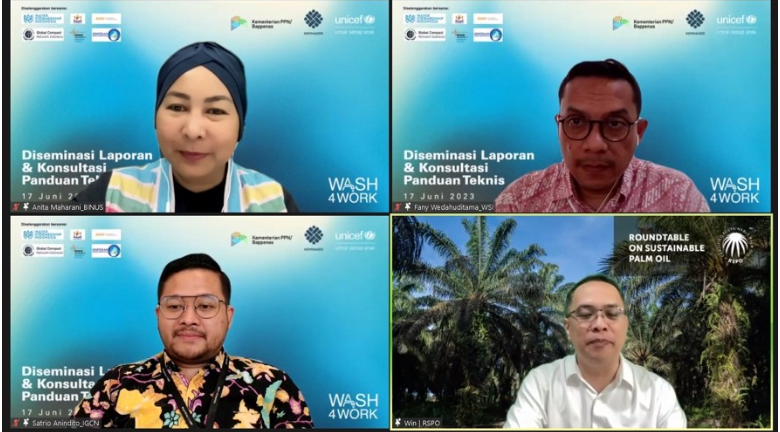
The COVID-19 pandemic has heightened awareness of the importance of cleanliness and health, especially in the workplace. The implementation of the WASH (Water, Sanitation, and Hygiene) 4 WORK program aims to prevent the spread of infectious diseases in the workplace through the provision of clean water, sanitation, and adequate hygiene.
The Importance of WASH in the Workplace
Inadequate access to water, sanitation, and hygiene can lead to the spread of infectious diseases, posing a danger to employees. Hygiene practices, such as hand washing, are effective and affordable preventive measures. Therefore, it is essential to provide handwashing facilities with running water and soap at strategic points in workplaces and healthcare facilities.
Concrete Evidence of Regulation Implementation
- Ministry of Manpower: Ministerial Regulation No. 5 of 2018 on Occupational Health and Safety in the Work Environment requires companies to provide access to clean water.
- Ministerial Regulation No. 13 of 2022: On tuberculosis control in the workplace.
UNICEF and K3 Survey
UNICEF and K3 conducted a survey of 243 companies in 5 provinces (DKI Jakarta, West Java, Central Java, East Java, NTT & NTB) in 2021-2022 to draft technical guidelines for WASH 4 WORK. UNICEF expanded the survey to 10 provinces and supported the implementation of Ministry of Manpower Regulation No. 5 of 2018 and aligned WASH with Ministry of Manpower Regulation No. 13 of 2022.
Benefits and Challenges of Implementing WASH 4 WORK
Providing adequate access to water, sanitation, and hygiene 24/7 is a basic human need. Workplaces and public facilities must meet these standards to ensure the health of workers and the public. However, in Indonesia, access to safe drinking water is still low. Government and private sector involvement is necessary to improve this access.
COVID-19 Pandemic and WASH Investment
The COVID-19 pandemic highlighted the importance of sanitation and drinking water. Investment in WASH in the workplace has become crucial, with a high potential return on investment (every 1 dollar invested can yield 1.3-9 dollars). UNICEF supports the Indonesian government in advancing the WASH program through corporate participation.
Survey Findings
From the 243 companies surveyed:
- 65% have internal WASH policies.
- 35% require their supply chain to meet WASH standards.
- 79% encourage effective WASH implementation in the workplace.
- 97% provide free drinking water access, but only 1/3 regularly test water quality.
- 50% of companies provide facilities for people with disabilities.
- Menstrual hygiene remains a primary focus that needs addressing.
Challenges and Recommendations
Companies still face challenges in providing quality drinking water and facilities for menstrual hygiene and access for people with disabilities. Awareness of regulations and WASH implementation in the workplace needs to be increased. Collaboration with stakeholders and the government is crucial to achieving SDG-6 targets and expanding WASH access nationally.
Global Initiatives and Commitments
The main goal of WASH 4 WORK is to promote cleanliness and sanitation in the workplace and among worker communities. Global commitment to SDG-6 requires collaboration from various parties, including the private sector. The WASH program has a direct impact on company health and productivity, as well as improving the business environment.
Conclusion
The implementation of WASH 4 WORK in Indonesia shows significant progress, but many challenges remain. Awareness and education about the importance of cleanliness and sanitation in the workplace must continue to be increased. Collaboration between the government, the private sector, and international organizations like UNICEF is essential to expanding WASH access and improving the health and productivity of workers in Indonesia.
Comments :